Powell River Top General Contractor for Reliable Building Solutions
Powell River Top General Contractor for Reliable Building Solutions
Blog Article
General Contractor: Your Best Professional for Home Undertakings
A general contractor assumes a essential role in residential work. They manage various aspects of construction, ensuring that processes function smoothly. Their expertise with construction codes and compliance requirements allows them to overcome the intricacies of licensing and evaluations. This experienced professional functions as a key link between homeowners and subcontractors. Yet, many homeowners remain unsure about the full scope of their services. Knowing these facts can have significant bearing on the triumph of any renovation effort.
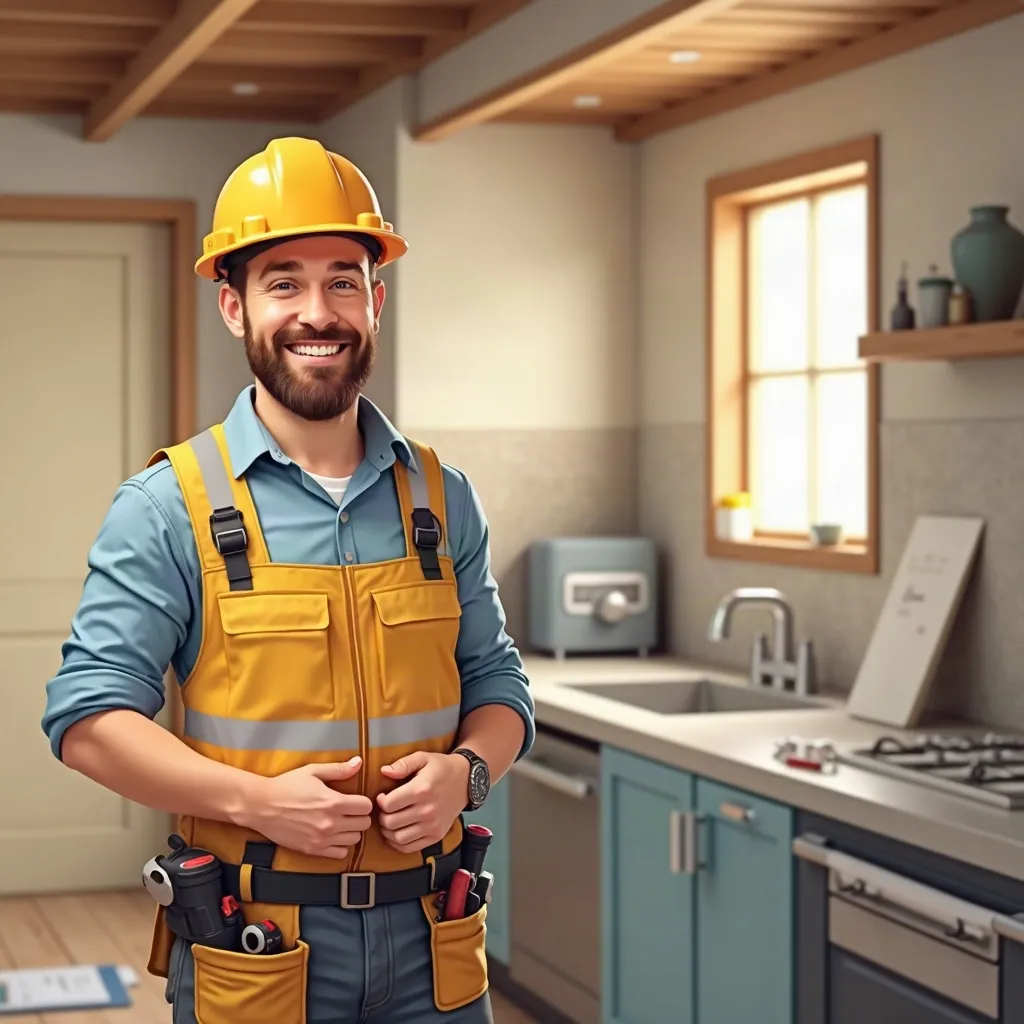
In What Ways Does a General Contractor Contribute?
A construction leader coordinates the various elements of a development project, ensuring that processes proceed efficiently from commencement to conclusion. They serve as the leading contact point, managing communication between clients, independent contractors, and material sources. This assignment involves designing the project timeline, mobilizing workers, examine guide and ensuring observance with state and local building regulations and codes.
General contractors are responsible for obtaining necessary permits and scheduling inspections, which are essential to upholding safety and quality benchmarks. They also manage budgeting, sourcing materials, and managing on-site activities to mitigate any potential delays or issues. In addition, they oversee subcontractors, ensuring that each phase of construction aligns with project specifications and timelines. Overall, a general contractor's expertise and organizational skills are essential to completing a successful construction project, turning a client's vision into reality while managing multiple duties and obligations.
Benefits of Employing a General Contractor for Home Remodeling
Contracting a professional builder for residential upgrades delivers numerous benefits that can substantially enhance the efficiency and quality of the project. General contractors bring specialized knowledge in project management, making sure that timelines are met and funds are distributed effectively. Their established connections with specialized contractors can generate superior pricing and superior workmanship, which ultimately benefits homeowners regarding both cost and time.
Furthermore, project managers address the complex elements of permits and inspections, minimizing potential legal issues. They also supply a one main contact, facilitating interaction and management among multiple specialists. This streamlining lowers the probability of misunderstandings and delays.
Furthermore, their experience allows them to anticipate possible issues, facilitating preventative measures to keep the project on track. By hiring a general contractor, homeowners can focus on their vision while experiencing peace of mind, knowing that a professional is overseeing every aspect of the renovation.
Debunking Misconceptions About Construction Contractors
Although many property owners may have misunderstandings about contracting professionals, grasping the realities can lead to more wise decisions. A widespread myth is that hiring a contractor is not essential for minor projects; still, their proficiency can streamline even minor renovations, ensuring compliance with local codes. Another frequent belief is that contractors are just middlemen, but they often have comprehensive knowledge in various trades, allowing them to direct projects smoothly. Moreover, some homeowners assume that working with a contractor will significantly increase costs. In reality, a skilled contractor can often obtain better deals for materials and labor through long-standing relationships with suppliers and subcontractors. Lastly, many think that general contractors are unbending, but reliable contractors focus on client communication and work closely to satisfy specific needs. Dispelling myths can empower clients to harness the true value of general contractors when completing positive home projects.
How to Choose the Right General Contractor?
How can property owners guarantee they select the right general contractor for their projects? The process begins with comprehensive investigation. Property owners should seek suggestions from friends, family, or online reviews to identify qualified contractors. Once a list is created, confirming credentials, such as licensing, insurance, and bonding, is essential to confirm legitimacy.
Next, property owners should solicit and assess samples of prior projects, focusing on projects similar in scope. Arranging consultations allows property owners to gauge compatibility, addressing deadlines, finances, and goals. It's also advisable to gather multiple bids for contrast, delivering a clear understanding of costs.
Verifying references offers understanding of a contractor's reliability and professionalism. Ultimately, following your intuition is crucial; an opening discussion can reveal much about a contractor's interaction pattern and strategy. By following these steps, homeowners can markedly increase their chances of selecting a general contractor who suits their objectives and goals.
Successful Conversation Methods With Your General Contractor
What approaches can homeowners use to guarantee clear exchanges with their general contractor? Creating direct communication from the beginning is essential. Homeowners should clearly articulate their desires, project goals, and budget constraints during initial discussions. Regular updates can be enabled through planned discussions, making certain that both parties remain synchronized throughout the project.
Documented materials, including emails or project logs, serves to strengthen verbal agreements and minimizes miscommunications. Homeowners should also encourage transparent communication by soliciting comments and inquiries from the contractor, fostering a cooperative atmosphere.
Furthermore, capitalizing on technology, including project management apps, can ease team dialogue by establishing a centralized location for conveying updates, timelines, and changes. Finally, maintaining respect and openness can deepen rapport, allowing for it to be easier for the contractor to discuss challenges or suggestions with success. By putting into practice these techniques, homeowners can establish a fruitful and transparent connection with their general contractor.
What Lies Ahead When Your Undertaking Launches?
Once the project launches, homeowners can expect a surge of activity on-site. The prime contractor will coordinate teams of skilled tradespeople, such as electricians, plumbers, and carpenters, who will start their duties following the predetermined plan. Homeowners may see construction equipment and supplies being delivered, establishing a bustling environment.
Open dialogue is crucial during this period. The contractor will inform progress updates and handle any issues that surface. Homeowners should ready themselves for possible interruptions, such as acoustic disturbances and limited entry to certain areas of the home.
Safety protocols will be in place to protect both workers and residents, ensuring a secure environment. Additionally, homeowners may be encouraged to copyright flexibility, as unforeseen issues can arise, prompting adjustments to the original plan. Overall, this initial phase sets the stage for the successful completion of the project, and active cooperation is essential.
Critical Queries for Your General Contractor Deal?
Deciding which inquiries to pose when wrapping up a general contractor agreement is vital for ensuring a smooth project. Homeowners should ask about the contractor's permit and coverage to verify their experience and protection against legal exposure. Understanding the project schedule and phases is crucial; therefore, asking about estimated completion dates helps manage expectations.
It is also paramount to communicate financial specifications, such as deposit amounts and payment schedules, to forestall misconceptions. Homeowners should secure a detailed breakdown of outlays, highlighting building materials and labor, to copyright accountability. In addition, engaging in discussion about the process for addressing changes or unforeseen issues can avert disagreements later.
Finally, homeowners must gather details about subcontractors and their credentials, as well as the contractor's communication strategy throughout the project. By exploring these topics, property owners can build a productive relationship with their general contractor, ultimately resulting in a successful home renovation.
Often Requested FAQs
How Will General Contractors Set Their Fees for Services?
General contractors typically bill through set prices, hourly rates, or a portion of the overall project expense. Their costs may also encompass materials, work, and overhead, depending on the project's complexity and scope.
Can a General Contractor Provide Aid With Authorizations and Inspections?
Yes, a general contractor can assist with obtaining permits and overseeing inspections. They typically handle local codes and guarantee compliance, simplifying the workflow for homeowners while enabling necessary authorizations throughout the construction project.
What Skills Should I Look for in a General Contractor?
When hiring a general contractor, one should assess qualifications such as valid licensing, insurance, background with comparable initiatives, strong references, and strong interpersonal abilities, ensuring they demonstrate the essential qualifications to manage the project with success.
What Duration Should You Expect for a Typical Home Renovation Venture?
A everyday home renovation work can extend anywhere from a few weeks to several months, subject to the extent, difficulty, and size of the project, as well as the stock of materials and labor.
What Takes Place if My Undertaking Exceeds Spending Cap?
If a project exceeds the budget, the contractor usually talks through the causes and alternatives with the homeowner. Changes may include reducing scope, obtaining more funds, or modifying the project parameters to match budget constraints.
Report this page